The Morta-fying Ordeal of Being Known
We don't give other people credit for the same interior complexity we take for granted in ourselves.
Tim Kreider, "I Know What You Think of Me", The New York Times
Last Friday, I spent the better part of an hour with a friend talking me into speaking alongside him at an event I had invited him to speak that convenes youth leaders from across Cebu. I knew how strange that was while I was explaining why I needed to decline. I have always thought of myself as an operator, who works out who needs to be at a shared space and what has to happen before anyone arrives. Standing at the front of a room felt like a different job entirely.
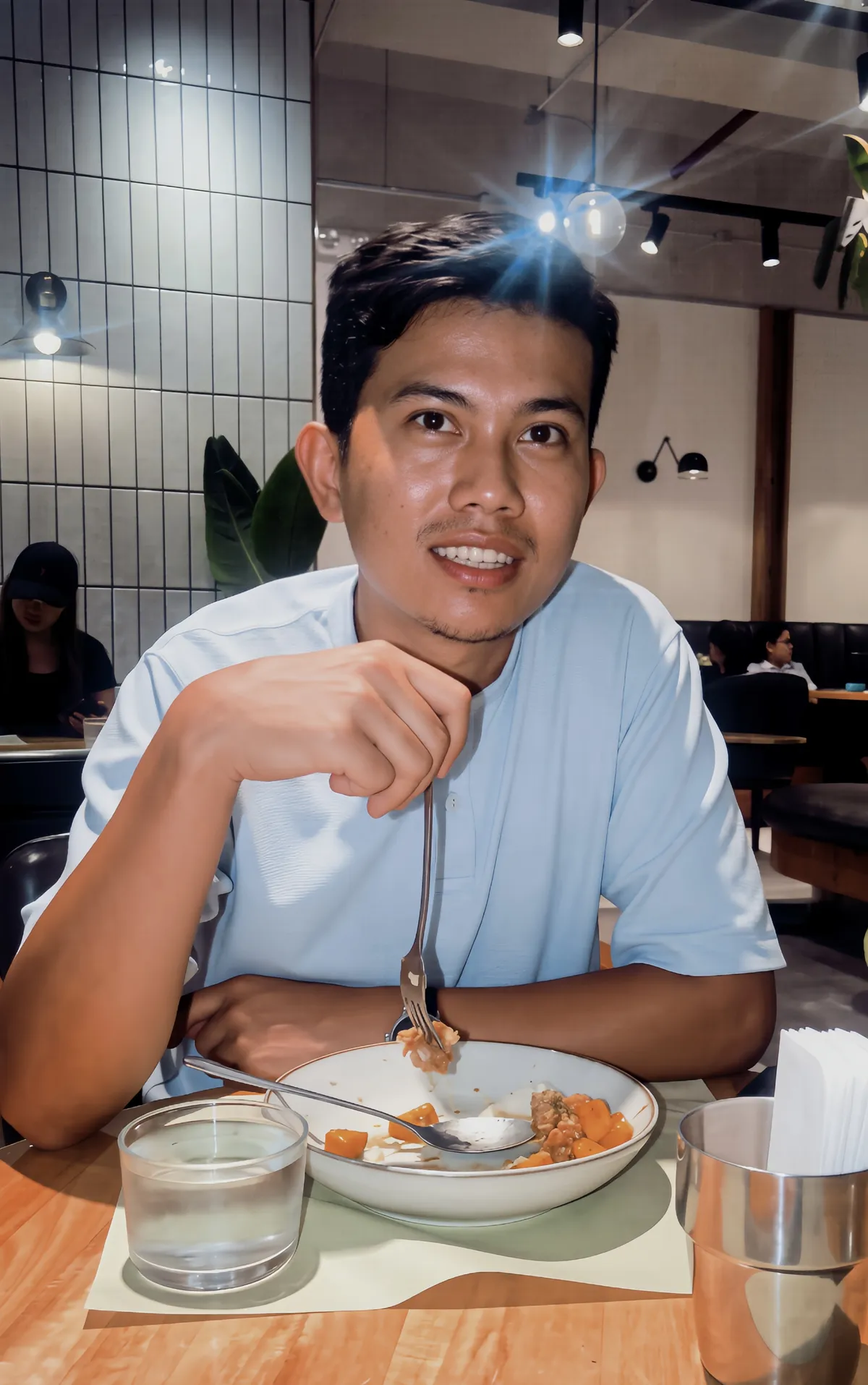
His argument was one several close friends had made to me in September. I have been given an unusual number of chances to learn things elsewhere, and that carries some obligation to bring something back. I already do a version of this. What I pick up tends to find its way into the communities and fields I am already part of, among people who know me and know roughly what to do with whatever I bring. What Sherwin and I had been turning over was whether any of it could reach people who have no reason to listen to me in places where I have no presence at all.
The word home in that advice carries more than my friends probably intended. I am Ilonggo. Cebu is where I live and have lived for years, but for much of that time, I treated it as a place I was passing through. When I moved here, I brought a suspicion that its politics ran on loyalty to strongmen and would have little patience for the things I cared about. In addition, it seemed to me that only a few people were doing conservation work, and the apparent absence of a civic space for it confirmed what I already believed. Early in undergrad, I mostly stopped trying to do that work here.
Midway through college, however, I spent a stretch in the student movement while in the student council, which led me off campus after coursework and into long conversations with people whose lives looked nothing like mine. Just recently, conservation groups from neighoring provinces began forming campaigns for cleaner air in the city. But what finally loosened this was food, which is a little embarrassing to admit.

I noticed that I had spent years eating Cebuano food as a running comparison. For instance, every dish was measured against what I grew up with, how sweet it ought to be, what it should come with, or how much of each thing went into it, with anything that departed from that registered as a small failure to be what I expected. I had very rarely tasted it as itself. Once I caught the habit at the table in Hukad just two weeks ago, it became hard not to see it everywhere else. Around the same time, I had been speaking with more local officials than usual, some of them inside the provincial government, working on things I would have sworn nobody here cared about. However, I write this with no intention to inflate that. While it is true a handful of people cannot revise the disposition of a province, they had presumably been here all along, and I had not found them because it may have been that I had already decided what Cebu was.
This made it harder to listen with the same distance I used to when people talked about their plans last summer in the several gatherings I found myself in. Nearly everyone described the life they wanted in terms of leaving. I understand this completely. You spend your youth constrained by circumstances nobody consulted you about, then reach adulthood and find those same circumstances still deciding which lives you can afford to want. An exit or an escape are reasonable responses to that, and I am in no position to stand outside it, having left Talisay, Silay, and Dumaguete, and have kept leaving to learn things elsewhere. Still, my years in Cebu make me wonder how much of what makes leaving feel necessary comes from judgments made early and never revisited concerning places nobody was looking at very closely.
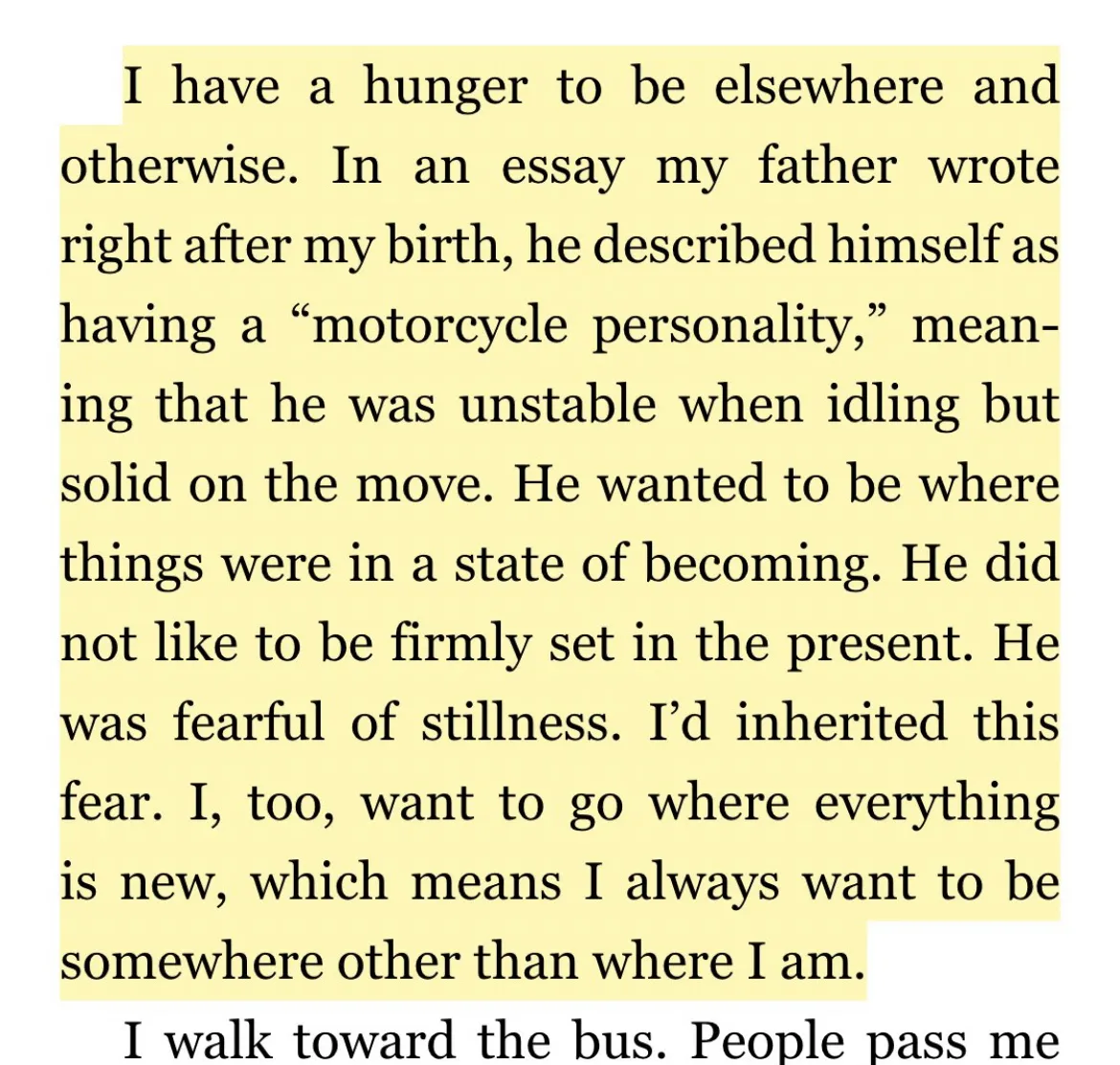
Sherwin opened our talk by saying that 2028 had started to feel like a last straw. Personally, I do not think an election can carry that much weight, and I do not have a clean faith in electoral politics as the best way a different country gets made. What I am afraid of transcends beyond bad result. I can picture 2028 arriving and passing with the country more or less as it is, and another generation getting used to the narrow set of options it was handed, and calling that adjustment some plan.
This morning, I woke to the news of Brazil. I find it hard to understand people who back movements drifting openly toward fascism when the left can make a materially stronger case for what would improve their lives. Rationality appears to fail against a feed full of brain rot and a faith that asks people not to question it. For instance, I keep encountering stories of people living on a welfare check who give part of it to an evangelical pastor, convinced God asks this of them, in a theology that somehow routes their faith through the state of Israel. In addition, entire communities make sense of the world through bot networks that make fringe positions look like what everyone thinks, through a few media owners deciding what gets seen at all, and through a feed so saturated with ideological junk that being manipulated and paying attention have become hard to tell apart. I also don't know how to keep my exasperation with them from repeating the mistake I made about Cebu, deciding what people are before understanding what they are navigating with.
Sherwin and I were delivering a talk amid all this, and the way I ended up framing it now surprised me in retrospect. I had never thought of project management as anything more than logistics, but explaining it to an audience, I found myself calling it world-building, in which I asked them what they want to see exist, what would already have to be in place before it could, who would need to be there, and which steps must come first so the later ones can happen at all. Most of the work is done long before there is anything to show anyone, and when it goes well nobody notices it was work at all.